PurePac Medium
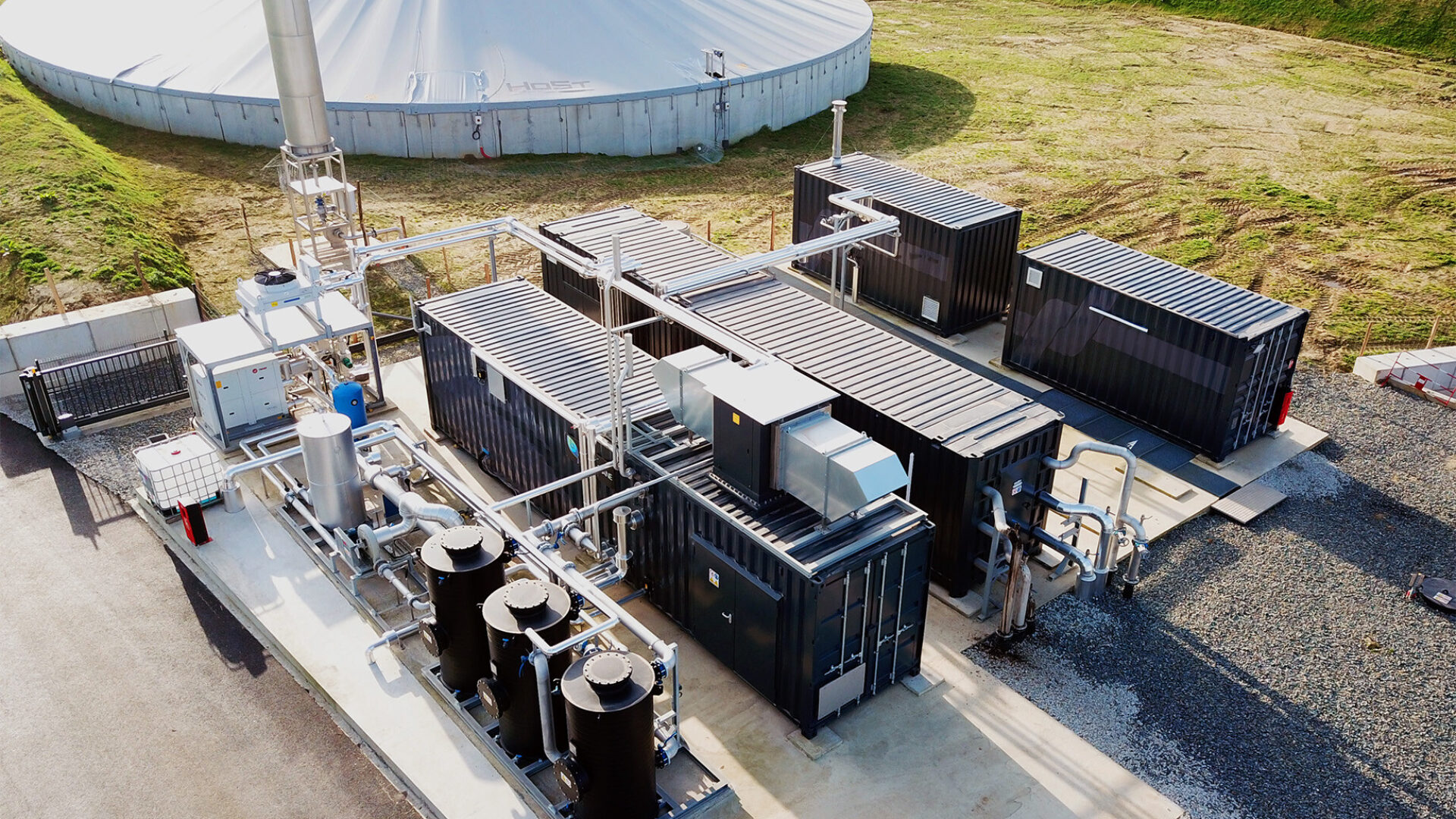
Biogas purification
Biogas upgrading represents a significant opportunity across multiple sectors. The PurePac Medium offers a modular, prefabricated solution that enhances project economics through standardized, containerized units. Furthermore, integrated CO2 liquefaction technology adds even greater value by capturing and repurposing carbon dioxide as a marketable byproduct for diverse applications. This creates additional revenue streams, helping to offset capital investments and improve overall project viability.
Key benefits
- Easy integration with any biogas plant
- Prefab & standardized units
- Extensive biogas treatment
- Gas-to-grid, bioCNG, and bioCO2
- CO2 liquefaction technology can easily be integrated
- Improvement of the CI score
- Additional revenue streams
- Reach sustainability goals

For all industries
Biogas purification systems with a capacity of 750–1,500 Nm³/h (467–935 SCFM) provide an optimal solution for operations across diverse industries aiming to maximize the value of their organic waste. Sectors such as agriculture, agro-industrial facilities, municipal waste management, wastewater treatment plants, and the food and beverage industry can all benefit. In these industries, the produced renewable natural gas, a valuable renewable fuel, can be utilized for on-site energy needs or marketed commercially.
RNG production in agriculteral sector
For our customer Swart in Tynaarlo, the Netherlands, we have constructed a PurePac Medium system. Swart operates in the agricultural sector, where biogas purification provides an ideal solution for agriculture and agro-industrial businesses. The system converts substantial volumes of biogas from the organic waste into high-value biomethane, suitable for grid injection or as a renewable vehicle fuel.
Product specifications
Key advantages
How does it work?

UtraLow-E Biogas upgrading
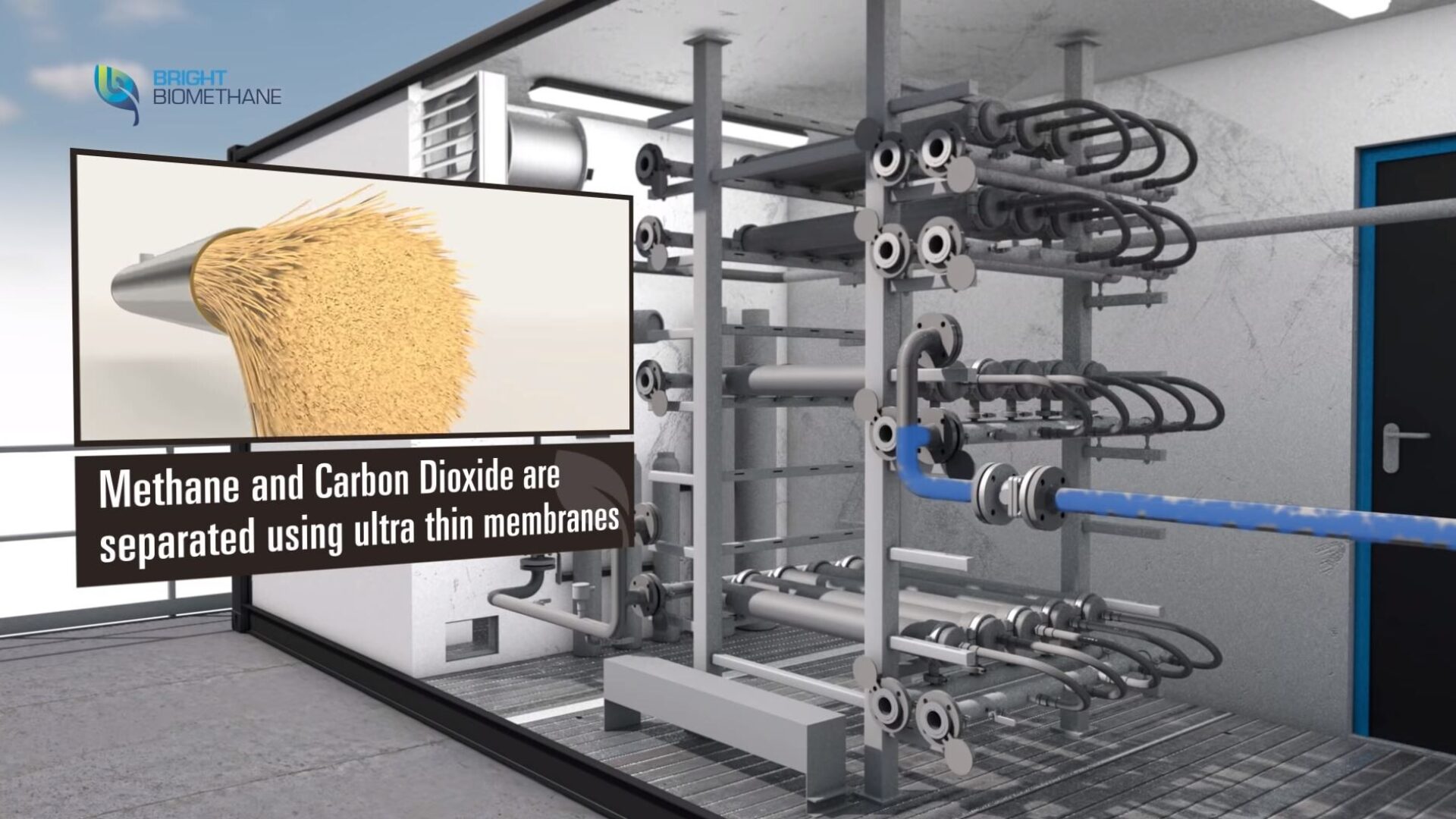
Exclusively available with the PurePac Medium, we offer the UltraLow-E design. This design, combined with our CO₂ liquefaction system, achieves exceptionally low electrical consumption, as little as 0.17 kWh/Nm³ of raw biogas. This not only enhances sustainability but also reduces electricity use and lowers operating costs, while potentially qualifying for higher subsidies and incentives.