Inside the Bright Renewables CarboPac-L CO2 Liquefaction Process
But methane is not the only stream that leaves the upgrading process. Every upgrading system also produces a CO₂-rich off-gas, and many projects still treat that stream as a by-product.
Bright Renewables sees it differently. With the right technology, that off-gas can become a product in its own right.
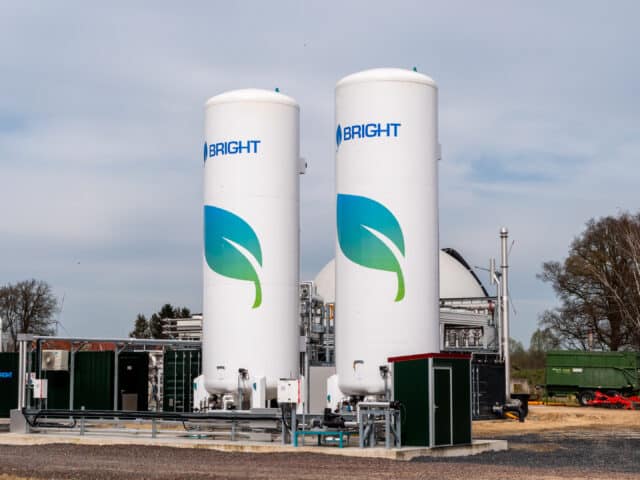
Step by step: Bright Renewables' CarboPac-L Process
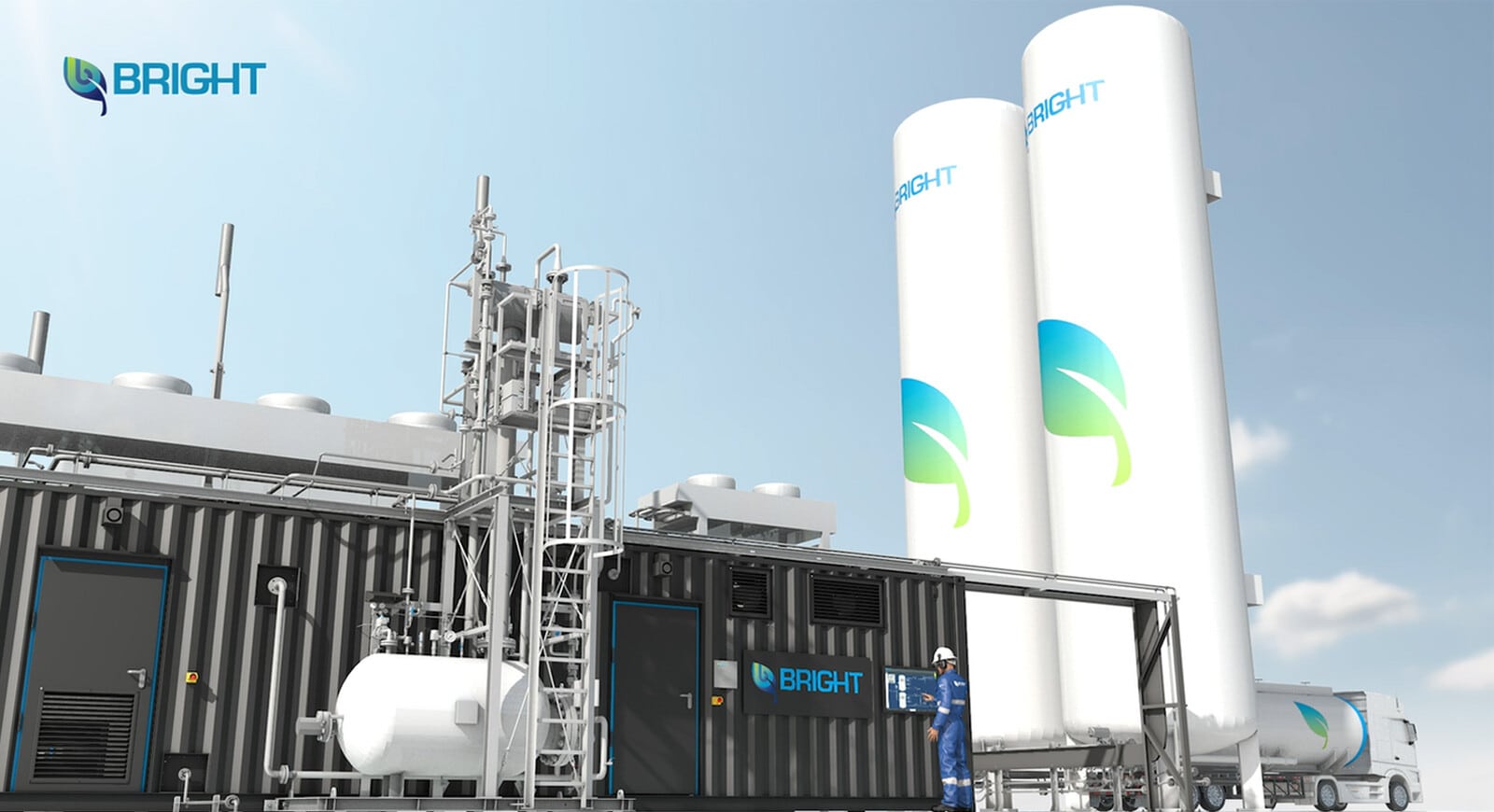
From off-gas to food-grade bioCO₂
Bright’s CarboPac-L system captures the CO₂-rich off-gas from biogas upgrading, then purifies and liquefies it to produce food-grade liquid bioCO₂. Inside the system, the gas is filtered, compressed, dried and liquefied. Non-condensable gases are removed along the way, and product quality is monitored continuously so the final CO₂ meets food-grade requirements.
The result is a second product to sell from the same biogas feedstock.
Why it matters for RNG producers
For plant owners and developers, adding CO₂ liquefaction can open an additional revenue stream and strengthen the overall business case for a project. Capturing biogenic CO₂ instead of venting it can also help lower the carbon intensity of the project as a whole.
It also changes the question producers ask about upgrading. Instead of only asking how much methane a plant can recover, it becomes worth asking what value can be created from everything else.